
Earlier this month, the VHL Alliance (with generous support from the Rath Family and Merck) hosted its first-ever VHL Research Forum in Charlotte, North Carolina. This event brought together a group of leading VHL clinicians and researchers for a weekend centered around one question:
What will it take to change the future of VHL?
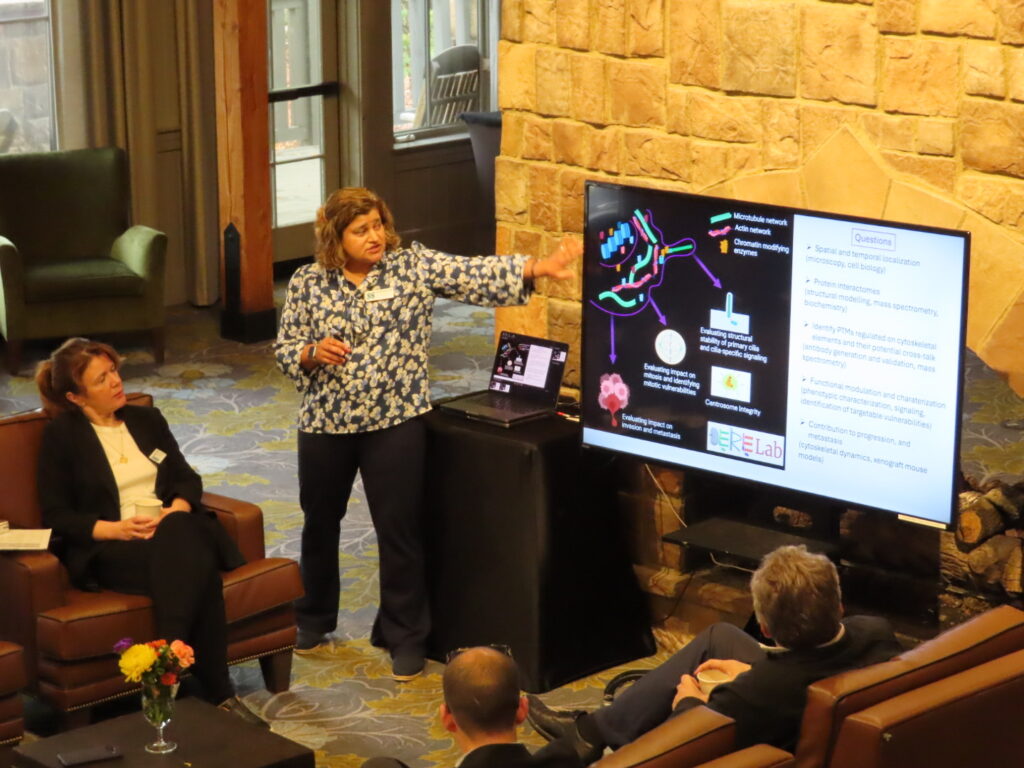
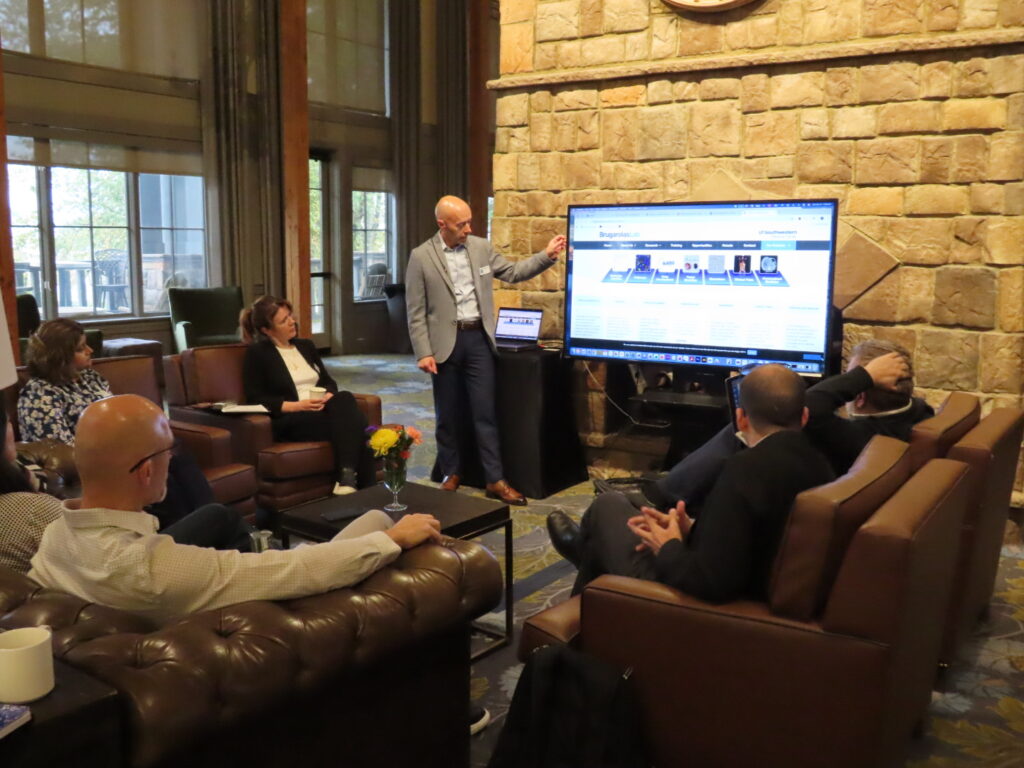
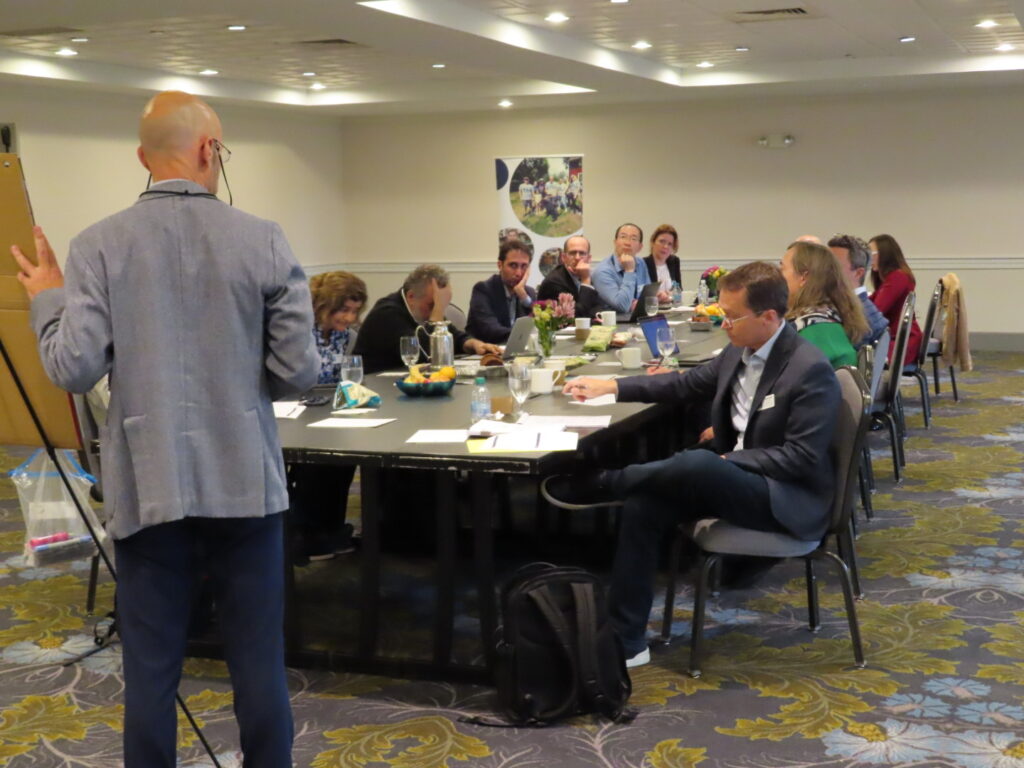
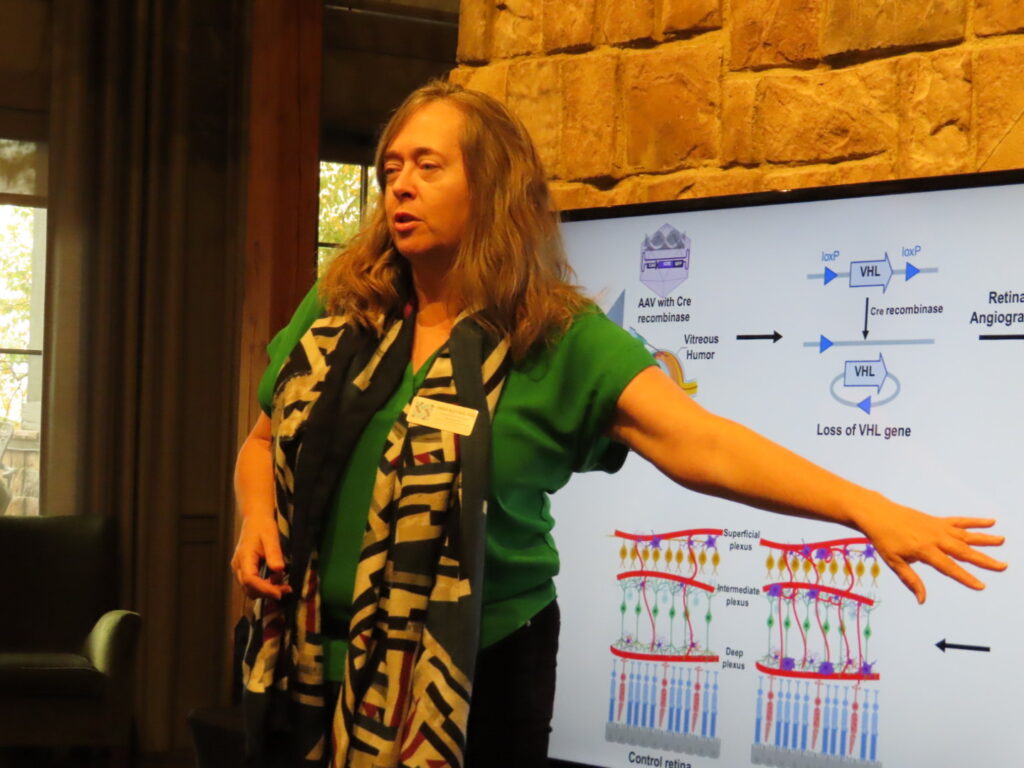
Unlike a traditional scientific meeting filled with technical talks, the VHL Research Forum was a true think tank, built on open conversation, the sharing of ideas, and honest discussion about what VHL patients and families need most.
Below are the key areas the group explored:
New drug treatments on the horizon
Belzutifan has been a major breakthrough for many in the VHL community, but everyone at the table agreed that it can’t be the final chapter. Researchers talked about drugs currently moving through the development pipeline, both early-stage ideas and some already in testing, that aim to expand treatment options and help patients who may not respond as well to belzutifan. The conversations prioritized prospective therapies that last longer, work in more tumor types, and can be paired with other treatments to make them even more effective.
Discovering the “cell of origin” for VHL tumors
One big question VHL researchers are determined to answer is “Where do VHL tumors actually start?” Different tumors may originate from different types of cells, and pinpointing the exact cell of origin could be a game-changer. At the Forum, the group discussed research that has given insight into these early tumor-starting cells and beginning steps in tumor development. Understanding these steps could eventually lead to earlier tumor detection, more accurate predictions about how tumors behave, and treatments that stop tumors before they grow.
Using the immune system to fight VHL tumors
Our body’s immune system is incredibly powerful, and built to find abnormal cells and destroy them. However, VHL tumors are tricky, because they learn to hide in plain sight. Researchers at the Forum discussed several ways to help immune cells do their job. They looked at approaches focused on supercharging the immune system, changing the tumor’s environment, and combining immune-based therapies with existing drugs to create a stronger tumor killing response. While this area of research is still emerging, the enthusiasm among experts was clear, and highlighted how immunotherapies may hold real potential for the future of VHL.
Understanding and preventing belzutifan (Welireg) resistance
Although belzutifan (Welireg) works extremely well for some patients, not everyone benefits in the same way – and even for those who do, some tumors eventually stop responding. This is known as “treatment resistance”, and scientists are working hard to understand why and how it happens. During the Forum, the group explored topics such as: what changes inside the tumor to cause it to stop responding, genetic clues that might predict who might benefit most from belzutifan, and opportunities to prevent resistance before it begins. The consensus was that unraveling belzutifan resistance is essential to making VHL treatment more durable and personalized, and is a high priority across multiple research groups.
Targeting non-HIF pathways
Belzutifan works by blocking a protein called HIF, which becomes overly active in VHL tumors. But HIF isn’t the only pathway involved in tumor growth. Several researchers at the Forum emphasized the importance of exploring “non-HIF pathways”, which are other processes that may drive tumor growth, especially in patients who don’t respond well to belzutifan. This work is still at an early stage, but it opens an exciting door. By finding new pathways to target, researchers can design therapies tailored to different types of tumors or different genetic backgrounds. This would expand the menu of treatment options available for VHL patients and give hope to those who may not benefit or be able to tolerate the side effects of HIF-targeted drugs.
Developing better VHL animal models
To understand VHL and test new treatments, researchers rely on animal models that mimic aspects of the disease. But VHL is complex, and current models don’t always reflect how tumors actually develop in people. The Forum highlighted a shared commitment to improving these models by building ones that better capture human biology, represent more types of VHL tumors, and allow researchers to study the earliest stages of tumor formation. Better animal models would ultimately lead to faster discoveries and more effective therapies.
In Conclusion
Beyond these scientific discussions, what made the weekend truly special was the spirit of collaboration. Many attendees shared that they rarely get this kind of dedicated time to think deeply, compare notes, and brainstorm with colleagues across the world. New partnerships formed, new project ideas emerged, and several attendees expressed their excitement about working together in ways they hadn’t before.
The VHL Research Forum was a catalyst for discovery in our research community. Most importantly, for VHL patients and families it represents a powerful message: the VHL research community is united, energized, and deeply committed to improving the quality of life for everyone affected by von Hippel-Lindau syndrome.
Thank you to our sponsors who made this event possible.
The Rath Family
