
As part of VHL Awareness Month, the VHL Alliance is highlighting the many ways that connection, education, and community support can shape the lives of people affected by VHL.
During a recent VHL Alliance Family Weekend hosted in partnership with UT Southwestern Medical Center, genetic counseling student Kenzie Samsury experienced firsthand the impact that rare disease communities can have on patients, families, and future healthcare professionals alike. Today, her graduate research focuses on the role that patient support organizations play in rare disease care and community building.
We spoke with Kenzie about her experience at Family Weekend, her path into genetic counseling, and why community matters so deeply in the rare disease space.
Can you share a little about yourself and what led you to attend the VHL Alliance Family Weekend at UT Southwestern?
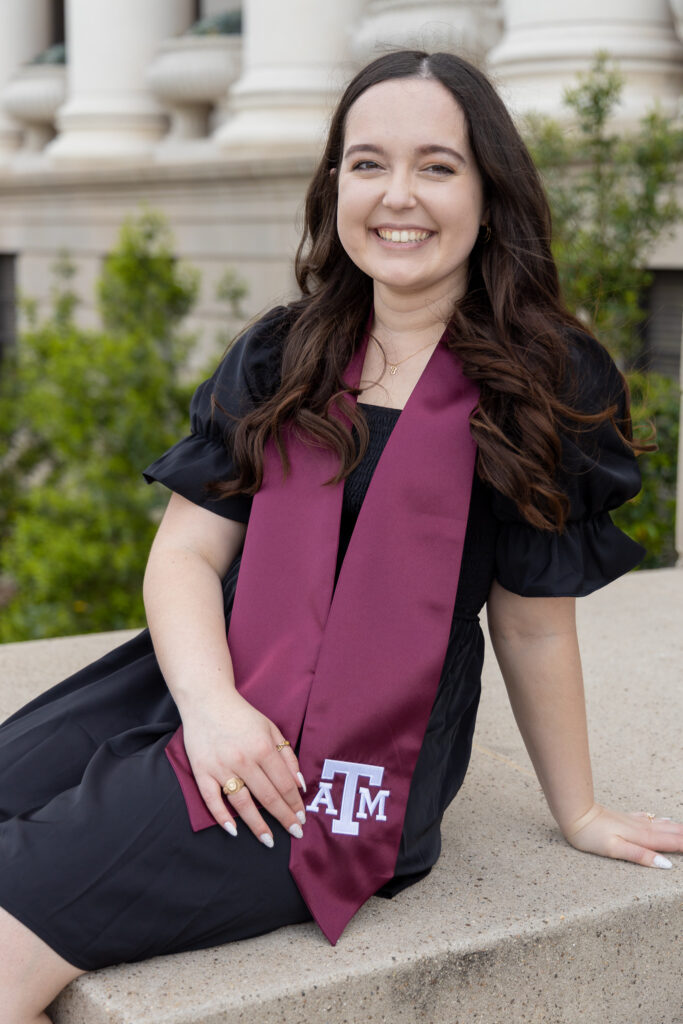
Hello! My name is Kenzie Samsury. I’m from the Dallas area, although I was originally born in Nashville, Tennessee. I am currently a first-year genetic counseling student at UT Southwestern Medical Center. Before starting the program, I worked as a Genetic Counseling Assistant (GCA) in the UT Southwestern Cancer Genetics Clinic.
In that role, I had the opportunity to work with a group of genetic counselors on the VHL working group. When I joined the team, they were in the process of finalizing plans for the VHL Alliance Family Weekend. I helped mail flyers to VHL families who had been seen in the UT Southwestern Cancer Genetics Clinic, so if you received one, there’s a good chance I sent it! I also had the opportunity to attend the Family Weekend to assist with logistics and observe the event. It was one of the most impactful experiences I had during my time as a GCA.
What moments or experiences during the event had the biggest impact on you?
There were many moments from that weekend that impacted me, but one in particular stands out whenever I think back on it. During one session, a woman shared her family’s experience with kidney cancer and spoke about how her brother was struggling and receiving care at the NIH. It was clear that her family was facing significant challenges related to both access to care and living with a VHL diagnosis.
As she shared her story, others in the audience came to sit beside her, offering tissues and quiet support. Medical providers who were present also asked to speak with her individually to see how they might help. I remember sitting there in that moment and thinking, this is the power of community.
How did meeting individuals and families affected by VHL shape your perspective on rare disease and patient support?
Meeting individuals and families affected by VHL reinforced how important connection and support are within the rare disease community. It gave me a deeper appreciation for the emotional and practical challenges that many families face and showed me how meaningful it can be to have access to others who truly understand those experiences. Seeing the way people supported one another throughout the weekend really highlighted the impact that patient communities can have.
For those who may not be familiar, how would you describe what genetic counseling is and why it is important for people living with VHL?
Genetic counselors are healthcare professionals with specialized training in both genetics and counseling. They help individuals and families understand how genetic conditions may affect them and provide guidance and support as they navigate complex medical information. Genetic counselors work in many different areas, including pediatrics, prenatal care, adult genetics, oncology, and more.
For individuals with cancer predisposition syndromes, such as VHL syndrome, genetic counselors play an important role in several aspects of care. They can help determine whether someone may be at risk for the condition based on their personal and family history, coordinate genetic testing to confirm a diagnosis, and explain what the test results mean.
Genetic counselors also help individuals understand and adapt to the medical risks associated with the condition, discuss recommended screening and management strategies, and provide resources or referrals for appropriate medical care. In addition, they can explain how the condition is inherited and what it may mean for other family members.
For many people living with VHL, genetic counselors are part of the diagnostic journey and can continue to be involved as members of the multidisciplinary care team that supports their long-term management.
Your thesis focuses on the role of patient support organizations. What inspired you to explore this topic, and what are you hoping to learn?
Honestly, the VHL Alliance Family Weekend is what inspired me! I remember the strong sense of community that was present throughout the event, and my idea came from wanting to understand whether my impressions and takeaways were shared by others in the VHL community.
I’m hoping to learn more about the impact that patient support organizations have on the individuals and families who engage with them. Ultimately, I would like to help generate more evidence that supports the value of these organizations and the role they play in patient care and support.
From your perspective, how do organizations like the VHL Alliance make a difference for patients and families?
From what I have seen, the VHL Alliance provides excellent support to members of the community. The resources available are fantastic, and I haven’t even had a chance to look at them all. Another aspect that I loved about the Family Weekend, in addition to the community, was that medical providers gave talks on the most up-to-date screening recommendations and treatment options so that people living with VHL could be as informed as possible.
Looking ahead, how do you hope your career will intersect with rare disease communities like VHL?
Genetic counselors are well versed in working within the rare disease space. I hope to support many patients impacted by rare disease through my future role as a genetic counselor, but also through volunteering. I really enjoyed working with the VHL Alliance for the Family Weekend and for my current research project, and I would love to continue that relationship.
During VHL Awareness Month, what would you want others to understand about the power of community and support?
I think it’s very easy to feel alone and isolated in today’s world, especially when you’re affected by a rare disease. Community has a powerful ability to help people feel less alone. It reminds individuals and families that they don’t have to navigate these challenges by themselves. There are people who truly understand what they’re going through and are willing to walk alongside them through both the difficult moments and the brighter ones.