
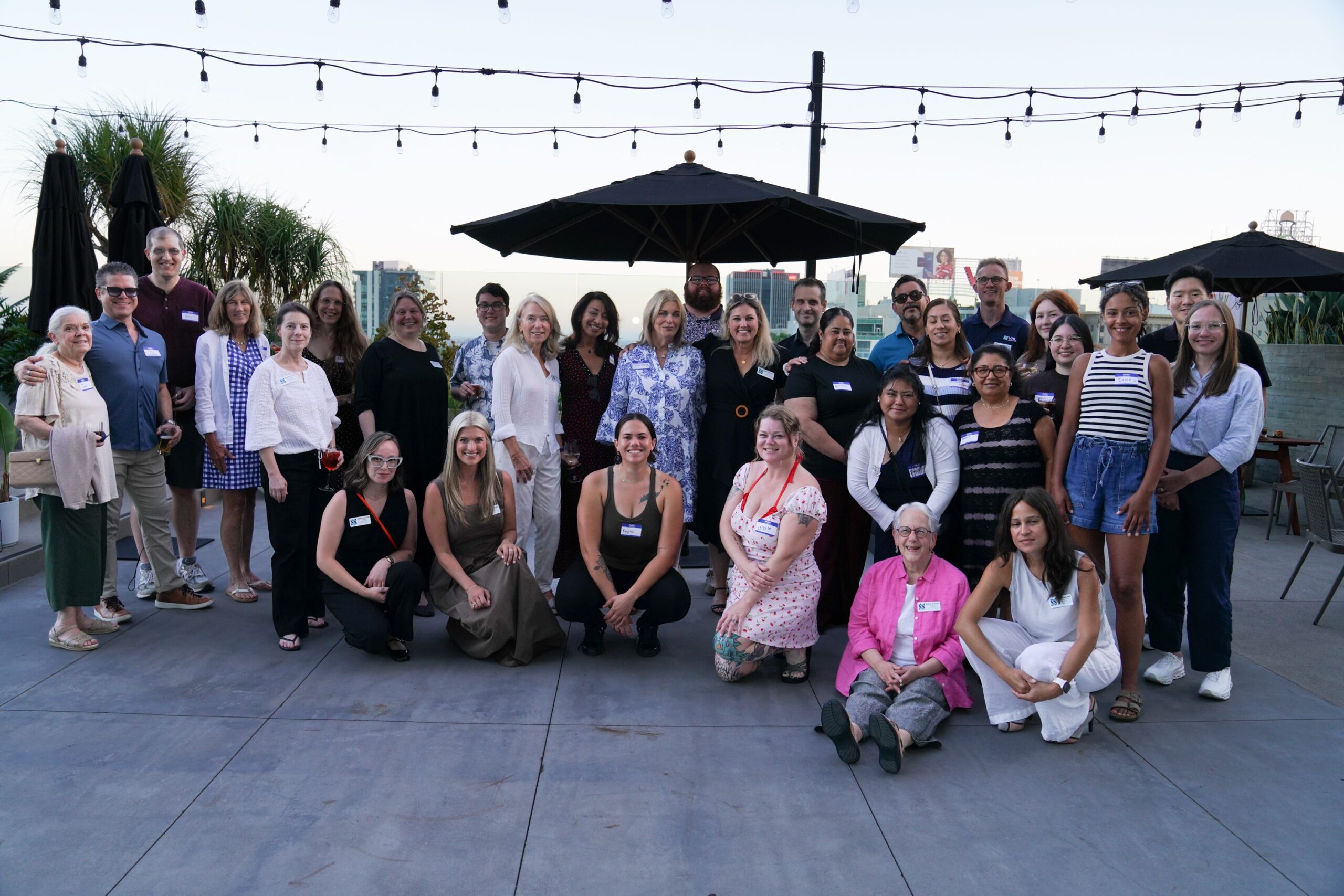
There is a particular kind of relief that shows up on someone’s face when they walk into a room where they don’t have to explain what VHL is.
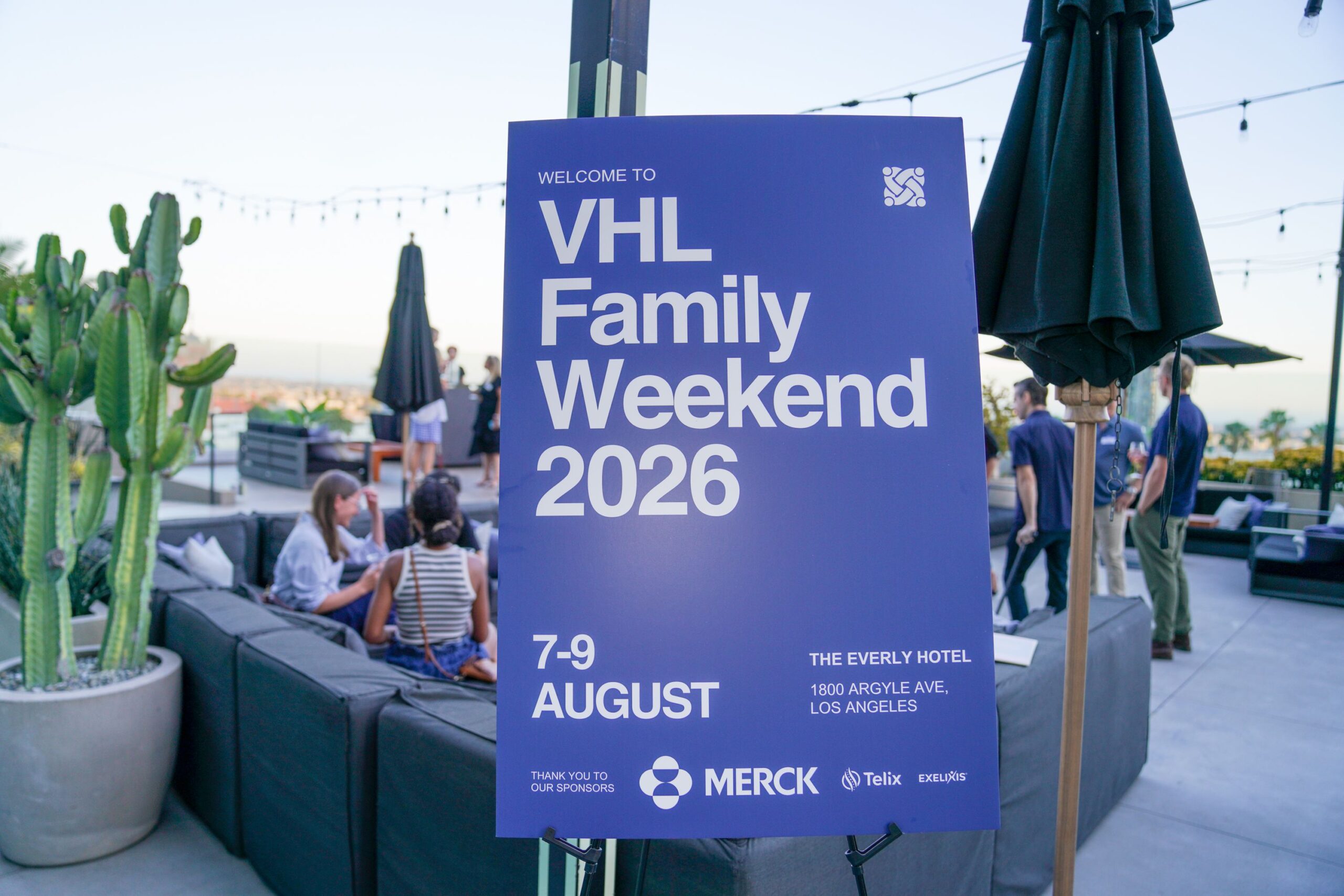
That was the feeling at The Everly Hotel in Hollywood on August 7–9, when the VHL Alliance Family Weekend and Young Adult Retreat came to Los Angeles. Families came from across the country. Some had been coming for years. For others, it was the first time they had ever met another person with von Hippel-Lindau disease.
Why Los Angeles
The choice of LA came out of a dataset.
For years, VHLA leadership had been circling the same question: if roughly 10,000 Americans are living with VHL, and about 1,200 are seen at the National Institutes of Health and another 1,200 through the Alliance’s Clinical Care Network, then where is everyone else? Where do they receive their care? Do they even know they have VHL?
In late 2025, the Alliance worked with a medical data firm to query anonymized insurance claims: not names, not records, just the county and state where someone filed a claim under the VHL diagnostic code. The resulting heat map answered a question that had been open for years. The number one county in the country for VHL activity is Los Angeles County.
“Southern California”, as Executive Director Janet Thompson put it to the audience, “lit up like a Christmas tree”.
So the Alliance went where the community already was and deepened its partnership with the UCLA VHL Clinical Care Center in the middle of it. The same analysis surfaced a second, larger finding: a substantial population of patients whose clinical indications look like VHL but who have never been diagnosed. If even a fraction of those are true, the long-accepted incidence figure for VHL may be significantly undercounting our community.
Friday Night: Cocktails in Hollywood
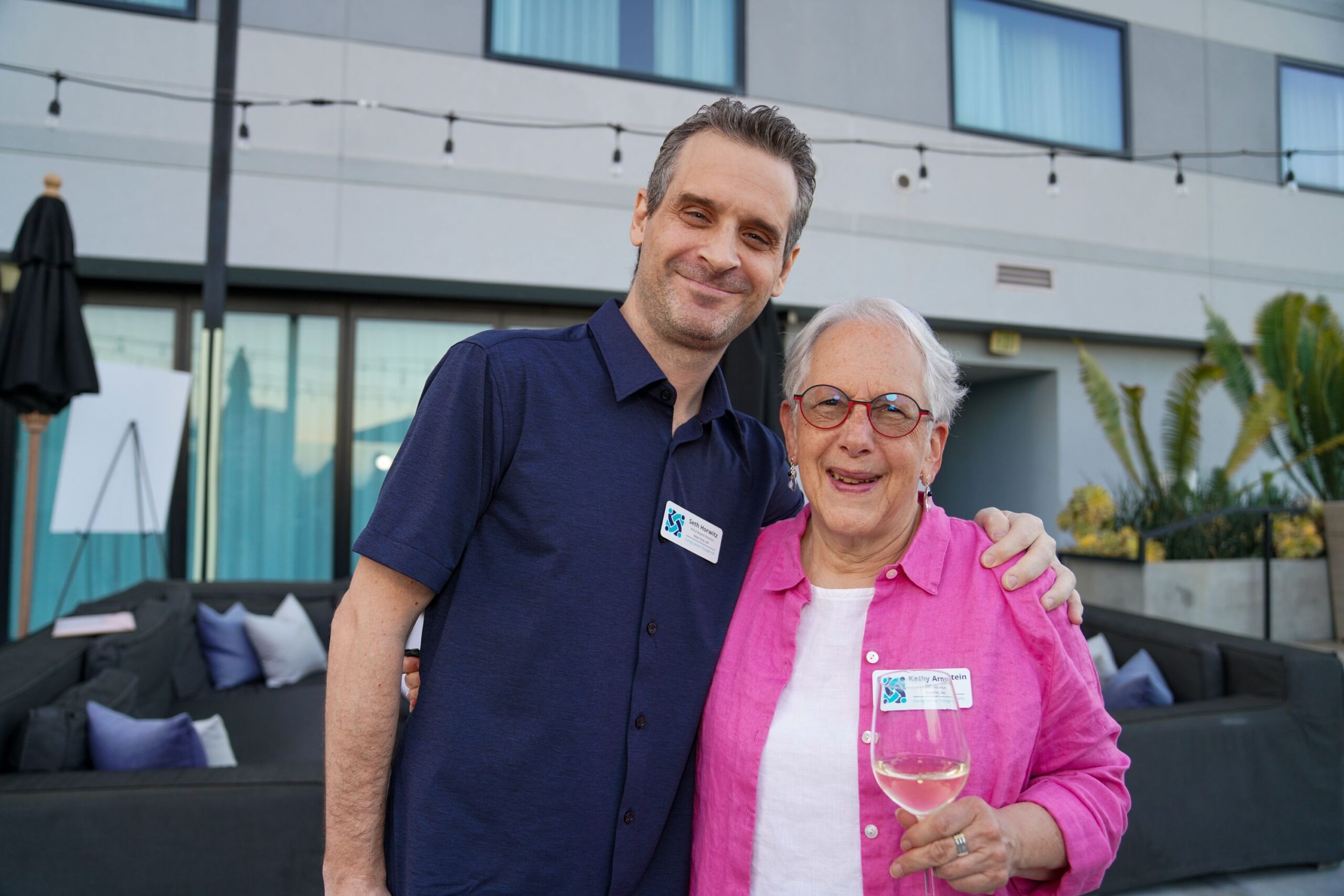
What better way to open up a family weekend in Los Angeles than with a Poolside Cocktail/Mocktail Party at the Everly Hotel. With the Griffith Observatory and the Hollywood sign as a backdrop, families and clinicians mingled with VHL Alliance staff and board members to connect with old friends and meet new ones. Genetic Counselors and other medical professionals from UCLA, Los Angeles General Hospital, City of Hope, and Kaiser Permanente were on hand to answer questions in a laid back and fun setting. “This is quintessential LA” says newcomer Andrew T. “It’s a great way to meet folks from the VHL community and to learn more about the VHL Alliance”.
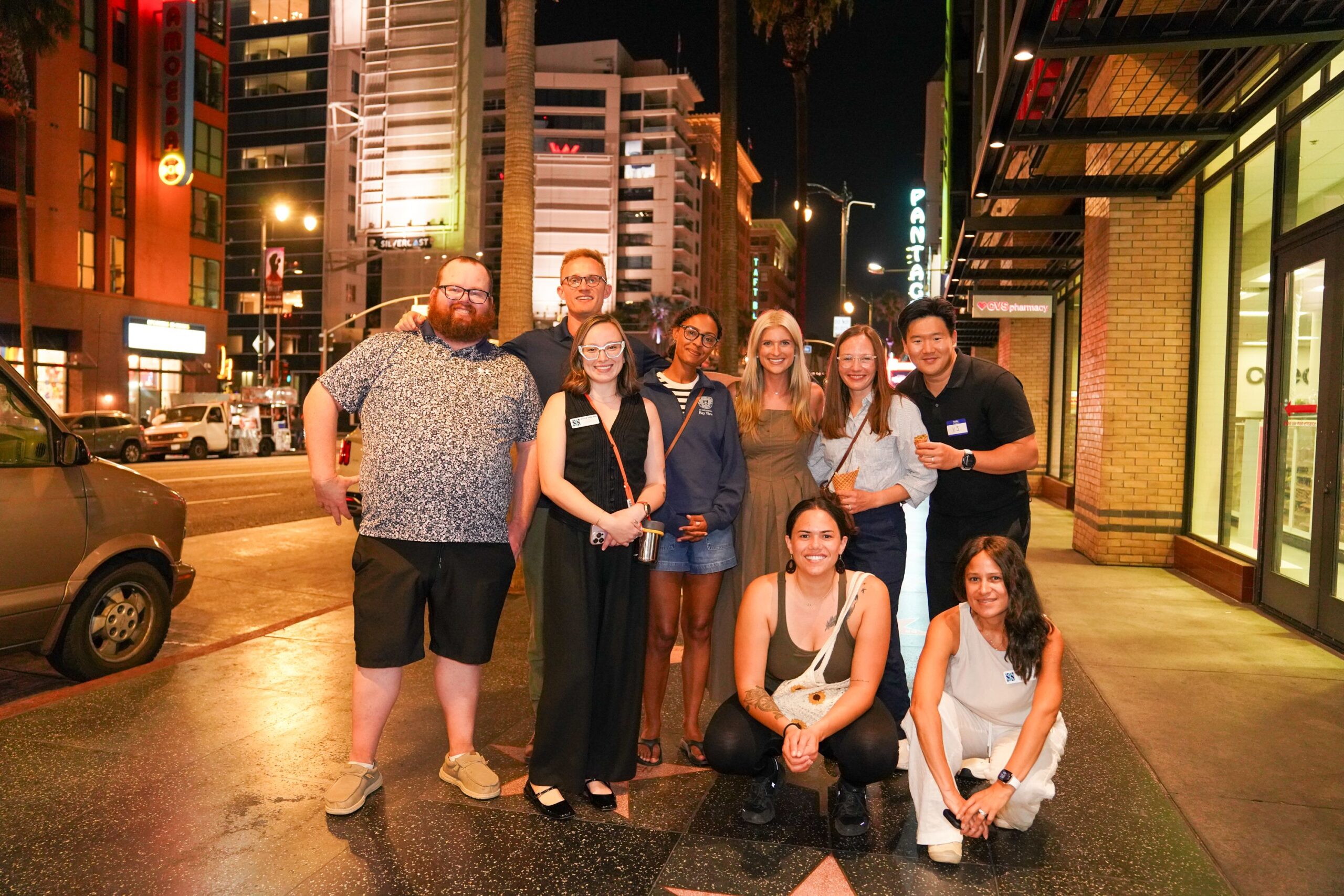
Just blocks from the heart of Hollywoodland, families explored the local sights along the famous Hollywood Boulevard, while the VHL Young Adult Cohort kicked off their weekend with ice cream and ice breakers.
Saturday: the clinical panel
Dr. Brian Shuch opened the morning by highlighting the UCLA VHL Clinical Care Center. Since launching in 2018, the center has grown to care for roughly 145 patients—a scale Dr. Shuch noted is only possible through a coordinated, multidisciplinary team. Rather than working in sequence, specialists across neurosurgery, ophthalmology, neurology, endocrinology, and genetic counseling collaborate in real time.
Moderated by Jessica Hess, PhD, the Alliance’s Director of Research Initiatives, the clinical panel brought together Dr. Shuch (Urology), Dr. Isaac Yang (Neurosurgery), Dr. Michael Gorin (Ophthalmology), Dr. Albert Lai (Neurology), Dr. Run Yu (Endocrinology), Wendy Conlon (Genetic Counseling) and other specialists from the team.
The conversation kept returning to Belzutifan, now roughly five years into real-world use. The panel’s assessment was optimistic, with one physician describing it as the most exciting development he had seen in seventeen years at UCLA. Tumors are shrinking. Surgeries are being deferred. However, a lot of questions remain unanswered, including whether the drug prevents new lesions from forming at all, and why a subset of patients don’t respond.
Anemia came up repeatedly as the side effect clinicians manage most often. So did the harder truth underneath the enthusiasm: belzutifan isn’t right for everyone, and deciding whether the tradeoffs are worth it is a decision patients must weigh with their care team.
The single idea that traveled furthest through the weekend arrived here: Dr. Yang argued that every VHL patient needs a quarterback on their medical team. Getting care in 2026, he said, is both easier and harder than it has ever been.
That framing came back in nearly every session that followed.
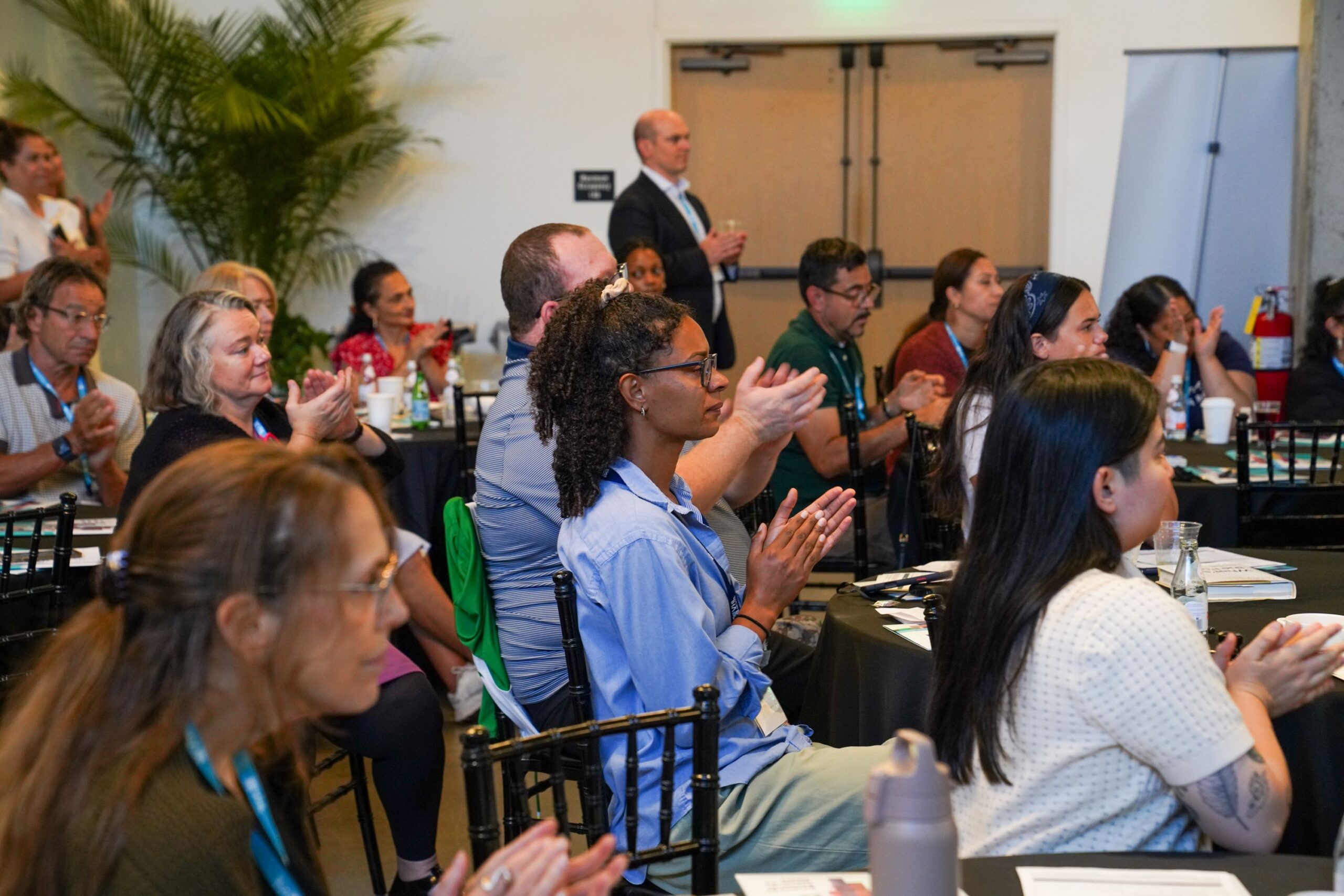
The VHL lived experience panel
Phil L. was born while his father was recovering from brain surgery. His father was diagnosed with VHL in the early 1970s, what Phil called the Dark Ages of the disease, when the only real management strategy was an annual scan and removal of whatever showed up. He attended his first VHL family gathering in Reno, Nevada, in 1993: six families on kindergarten chairs in a schoolroom, sharing stories. Watching this year’s clinical panel meant something specific to him.
Five of the physicians on that stage have operated on him.
Blanca C. spoke next, and the room went quiet.
She grew up in Oaxaca, Mexico. She was twelve when her grandfather died after doctors found three brain tumors. A few months later her mother, pregnant with Blanca’s younger brother, began losing her balance and suffering severe headaches. She died eight days after he was born. No one could tell the family why.
Blanca was diagnosed in 2007, at twenty-three, after an emergency room visit revealed a brain tumor. For the first time, her mother’s illness made sense. Two years later, twenty weeks pregnant with her second child, she was told she needed emergency brain surgery — and that ending the pregnancy would make that surgery considerably safer. She chose to continue. Her son is sixteen.
Since then: two brain surgeries, three kidney surgeries, the loss of her left kidney. Her brother, who had lived with VHL for years, recently died of colon cancer.
She attended her first family weekend in 2016 and barely spoke English. She could not articulate what she was carrying. This year, she bravely shared her story on stage, and closed by telling anyone newly diagnosed, or any parent frightened for their child, that they are not walking this alone.
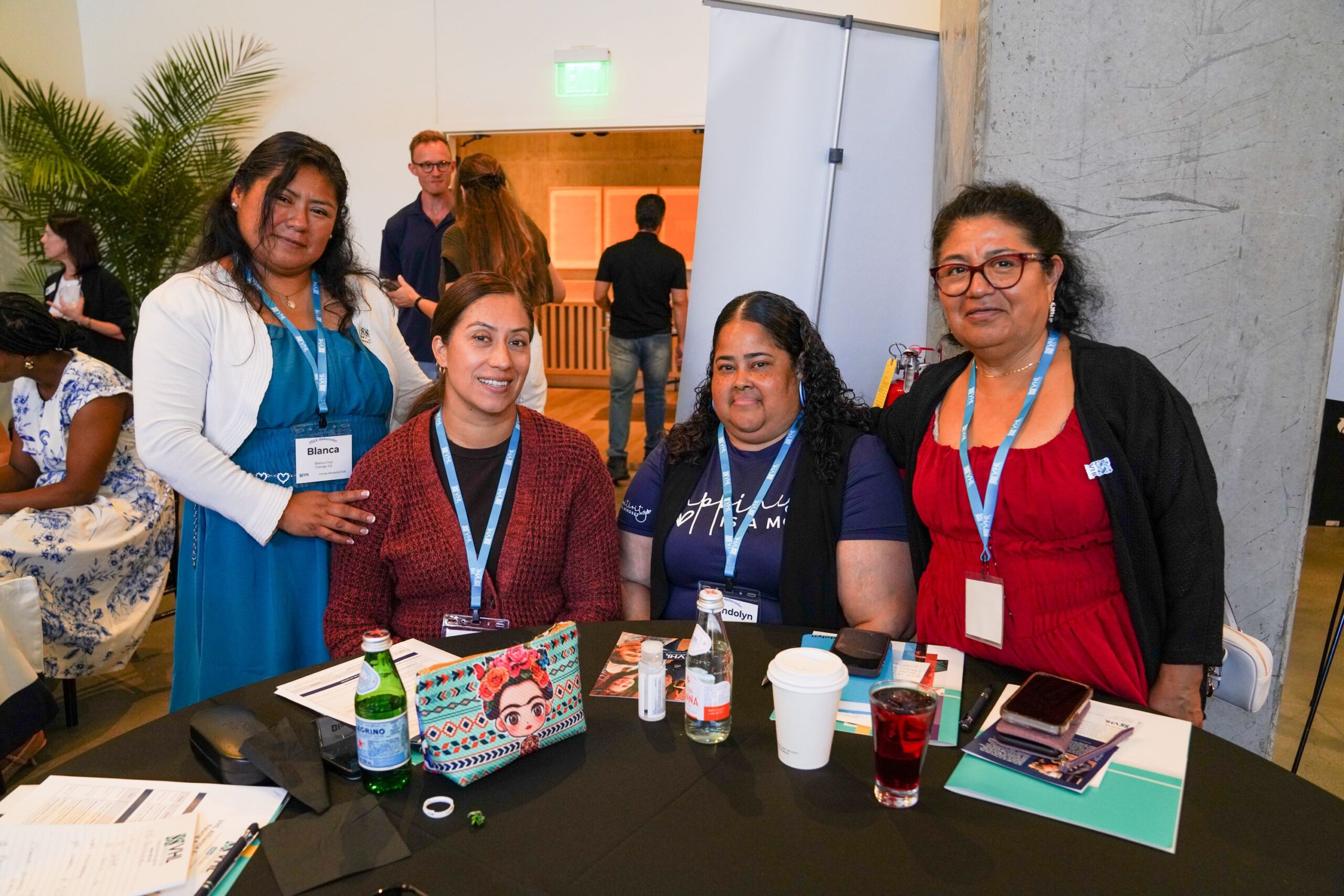
Saturday afternoon listen sessions
Both afternoon breakouts were deliberately structured as listening sessions rather than presentations.
The AI session, led by VHLA AI Project Lead Anders Bjella, opened with a caution rather than a pitch: these models are statistical, they sound completely confident whether or not they are correct, and rare disease is exactly where the underlying data is thinnest. What followed was an hour of community brainstorming. A VHL-specific knowledge tool along the lines of what the Epilepsy Foundation has built, help decoding radiology reports into plain language, and, a suggestion raised by several people, help navigating insurance denials. Skepticism was welcome and well-represented, including thoughtful concerns about energy and water consumption. At one point there was no ambiguity: any tool the Alliance builds has to protect patient data first.
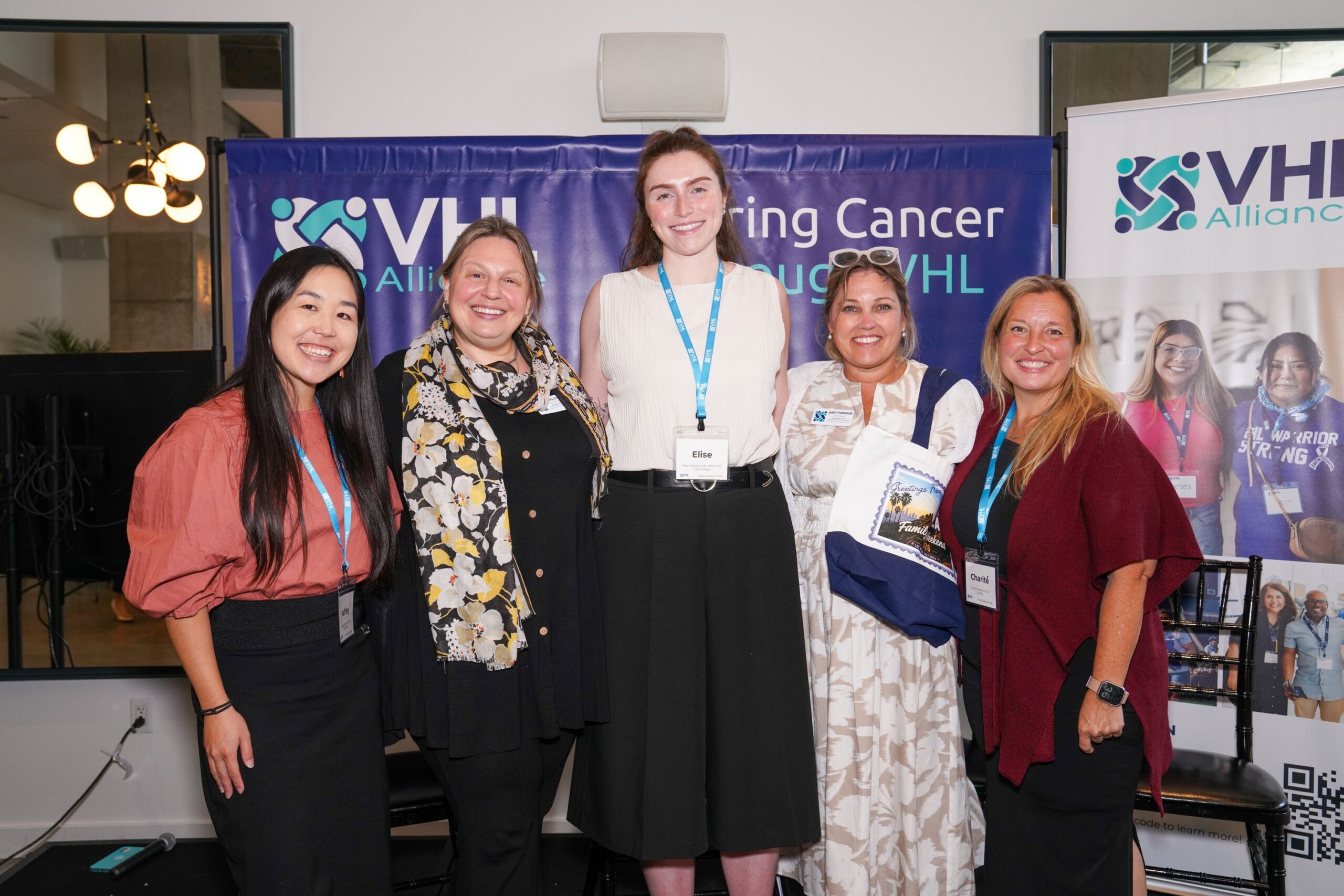
The Access and Barriers panel, moderated by Devon Ciampa, LCSW, of the National Cancer Institute, brought together genetic counselors from across the region: Wendy Conlon, MS, CGC (UCLA); Elise Sobotka, MS, MPH, CGC and Ashley Mochizuki, MS, CGC (City of Hope); and Charité Ricker, MS, CGC (USC Keck School of Medicine and LA General Medical Center).
They were candid about what the region gets wrong. Southern California is enormous, and patients routinely drive three or four hours to reach an academic center. Insurance networks decide where people can be seen more often than clinical judgment does. Not every institution has a structured multidisciplinary clinic, and patients absorb the coordination burden themselves. At LA General, a safety-net hospital where roughly seventy percent of patients speak Spanish as their primary language, the team has responded by hiring exclusively bilingual genetic counselors.
The panel also covered ground most patients never hear about, including GINA, the Genetic Information Nondiscrimination Act, and where its protections stop: life, long-term care, and disability insurance are not covered.
Sunday: wellness and practical support
Sunday shifted from clinical to the more pragmatic side of managing VHL.
Shanell White, MBA, Program Manager of California’s Genetically Handicapped Persons Program (GHPP), walked families through a state resource, unique to California, that helps adults with specific genetic conditions manage health care costs, one that many in the region had never heard of. Today, only nine individuals with VHL participate in this program. “We can help drive those numbers way up,” says Janet Thompson. “Over the next 12 months, the VHLA aims to dramatically increase awareness of this program to the 1000+ individuals with VHL across California. Every one of them should know about this resource!”
Dr. Giselle Perez, PhD of Mass General Brigham and Harvard, a new board member at the VHL Alliance, closed the weekend with a session on psychosocial wellness and the real weight of living with VHL. “Similar to a jar of muddy water,” Dr. Perez explained, “the uncertainty, fear, and stress that can come with VHL can leave us feeling like everything is swirling at once.” While we can’t always control what stirs the water, Dr. Perez stressed that “we can give ourselves permission to pause, create mental space, and allow the mud to settle so that fear and uncertainty aren’t the only things shaping how you see the situation.” The goal, she says, “isn’t to make the water permanently clear, it’s to recognize that your perception can be clouded when you’re overwhelmed.”
Young Adult Retreat
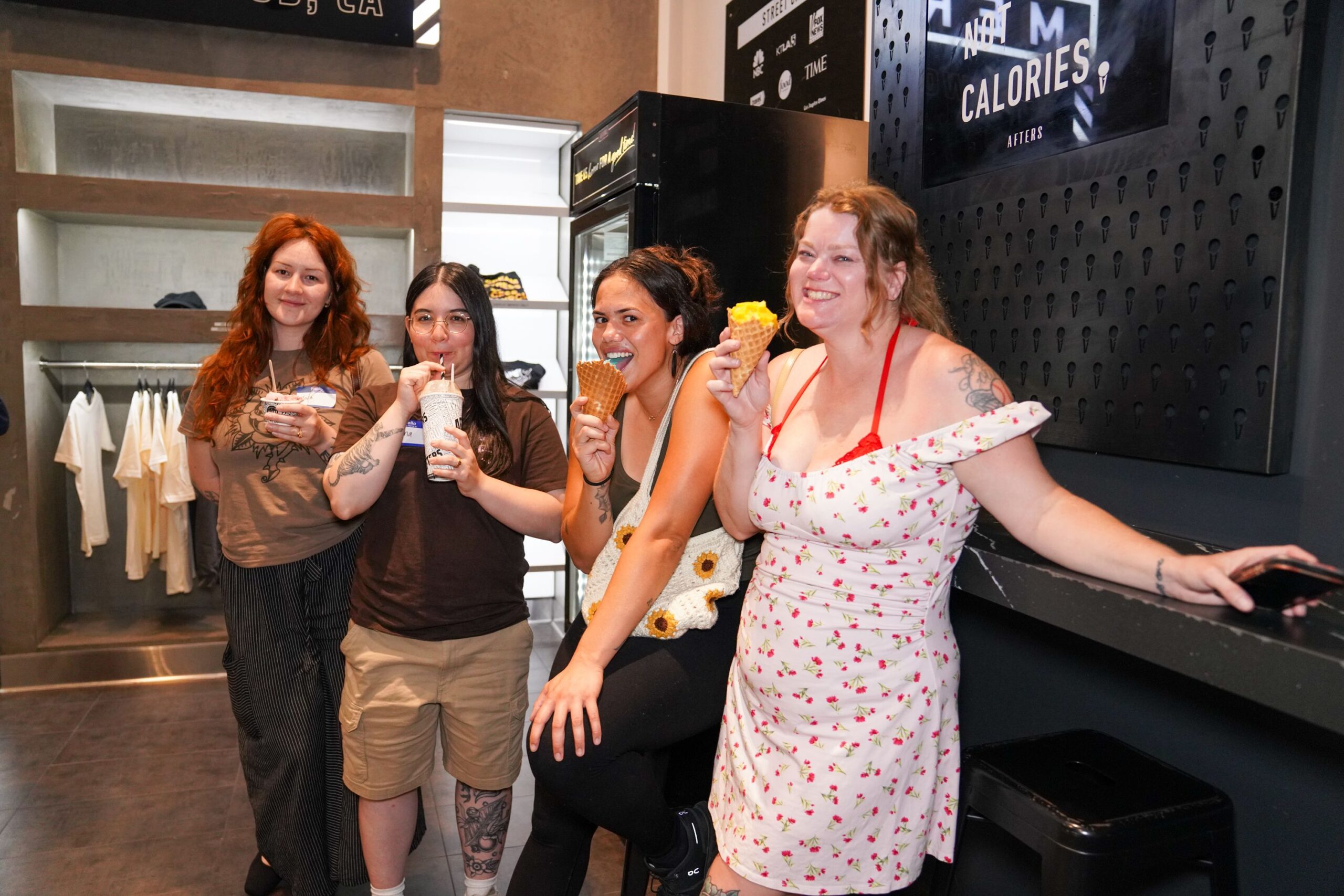
Young adults had their own track during Family Weekend: a visit to the local Afters’ ice cream shop on Friday night. While Saturday featured a conversation with Tom Rath, a New York Times bestselling author and researcher who lives with VHL himself, on turning purpose into a daily practice; and their own AI listening session. The night ended with a comedy sketch show at the Upright Citizens Brigade theater.
On Sunday they gathered with Devon Ciampa, LCSW, to talk about lived experience and psychosocial wellness on their own terms. But the piece they named as most valuable was the unstructured time in between sessions. One attendee described the breaks as what kept a dense weekend from feeling overwhelming, and the space between sessions as where the deeper conversations actually happened. Another said simply that meeting other young adults with a condition she is still learning about was the most valuable part of her weekend. Several noted that having other families in the building helped, particularly for those newer to a VHL diagnosis.
Thank you for attending
To every family who traveled, every clinician who generously gave their Saturday morning, to our amazing sponsors, and to the donors who made this weekend possible: thank you. The impact of this event will be far reaching because of your support and participation. There is much more work to be done and families to impact in this region. This is only the beginning for the VHL Alliance’s engagement in Los Angeles.
If this was your first family weekend, we hope it wasn’t your last. We can’t wait to see you next year, August 2027 in Columbus, Ohio with our partner the Ohio State University.
The International VHL Medical Symposium comes to Boston in November, and patients and families are welcome to attend. Details are available here!
This content is brought to you with support from: